
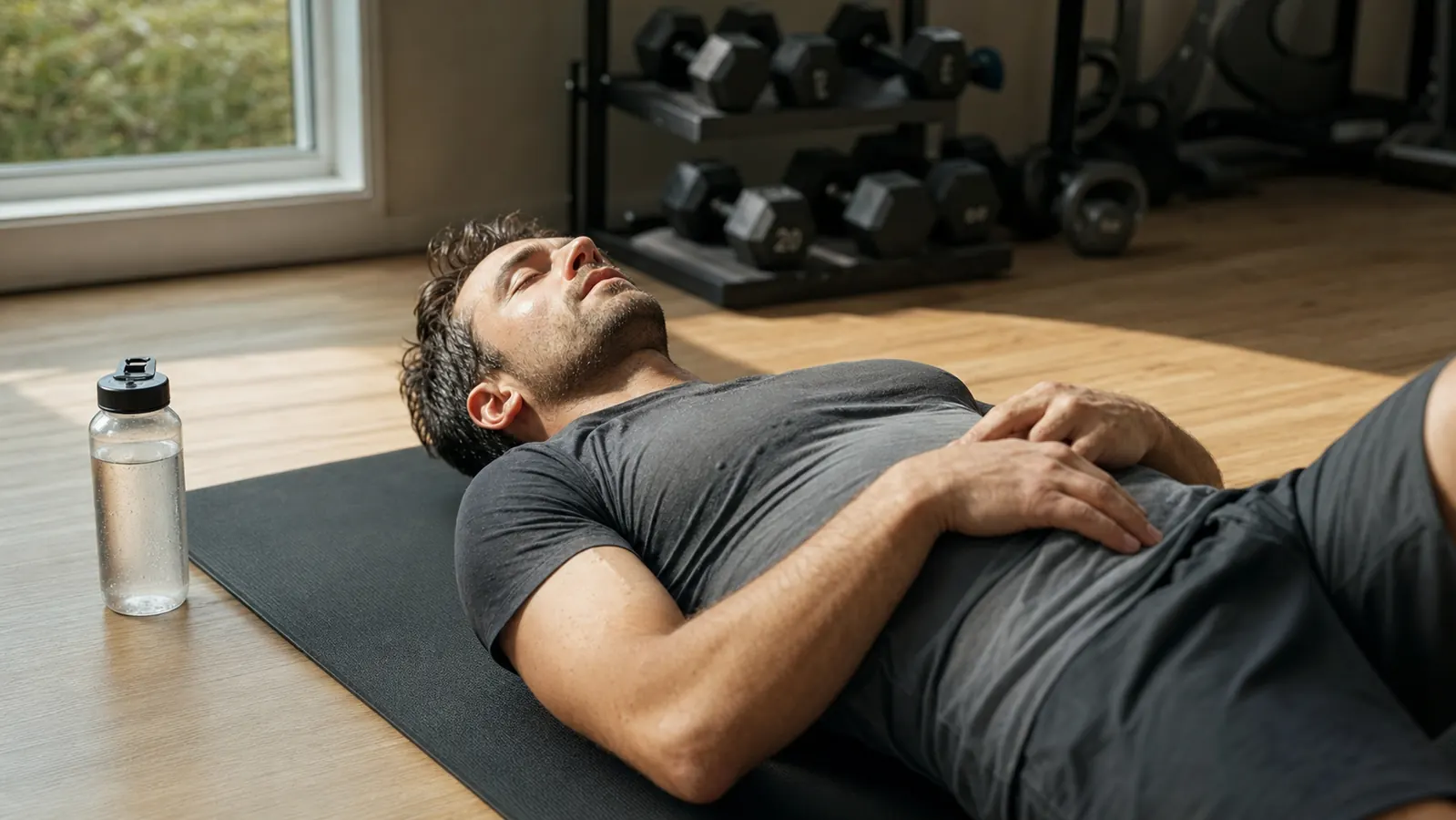
You finished a hard session. Legs are done. Lungs are done. You know tomorrow is going to be rough, and if you have another workout on the schedule in 48 hours, you're already doing the mental math on whether your body will actually cooperate. This is the part of training that most programs skip over. They tell you to lift heavier, run faster, add volume. They don't tell you what to do in the hours right after when the real recovery work either happens or doesn't.
Pneumatic compression boots have become a standard tool in professional and collegiate athletic programs for one clear reason: they mechanically assist the fluid clearance that your legs are already trying to do on their own. When you're done training, metabolic byproducts and inflammatory fluid build up in tired muscle tissue. Your lymphatic system moves that fluid out, but it's slow, passive, and easily overwhelmed after intense sessions. Sequential compression boots squeeze from the foot upward through multiple chambers, pushing that fluid toward your core where the body can process it faster. The result, in practical terms, is reduced next-day heaviness and a faster return to feeling ready to train. The QUINEAR Leg Recovery Compression System delivers that same sequential multi-chamber mechanism at a fraction of what professional sports clinics charge for the same treatment. The steps below will walk you through exactly how to use it.
If your legs still feel wrecked two days later, you need a better recovery protocol, not more rest days
The QUINEAR compression boot system gives you the same sequential pneumatic compression used in professional training facilities. Rated 4.5 stars across nearly 2,000 reviews. Check today's price before you add another rest day to your schedule.
Amazon Check Today's Price on Amazon →Step 1: Time Your Session, Start Within 30 to 90 Minutes of Finishing Training
Timing is not everything, but it matters more than most people expect. The window immediately following a hard training session is when muscle tissue is most inflamed and lymphatic demand is highest. Getting the boots on within 30 to 90 minutes of finishing your workout puts the compression to work exactly when your legs need the most help clearing accumulated fluid. If you wait until bedtime after an afternoon training session, you have still benefited from a recovery session, but the acute window has passed. Think of it this way: the first session clears the acute inflammation; a second session the following morning addresses lingering residual soreness.
Practically, this means building the boot session into your cooldown routine rather than treating it as an optional add-on. Finish your last set or your final mile, do five minutes of light movement, sit down, and put the boots on before you do anything else. Leave them on while you eat a post-workout meal, scroll your phone, or watch something on a laptop. Twenty minutes of boots on beats zero minutes because you couldn't find a clean slot in your evening.
Step 2: Set the Right Pressure Level for the Type of Session You Just Finished
The QUINEAR system adjusts pressure in multiple levels, and using the right setting matters. Not every workout demands maximum pressure. A lighter aerobic session, a moderate hypertrophy day, or an active recovery workout calls for a lower pressure setting where the squeeze is noticeable but genuinely comfortable. You should feel each chamber inflate and release in sequence without any sharp pressure or numbness. That light-to-moderate setting is appropriate for roughly 80 percent of your training sessions.
After genuinely hard sessions, like heavy lower body strength days, long runs over 10 miles, hill repeats, or anything that leaves your legs feeling genuinely cooked, you can step up to a higher pressure setting where the inflation is more firm and the massage sensation is noticeably stronger. The key rule regardless of setting: if you feel any tingling, numbness, or discomfort that is more than firm pressure, dial back one level. The goal is active recovery, not additional stress on already taxed tissue. Most users find that starting one level lower than they think they need and adjusting upward is more effective than starting high and fighting discomfort through the session.
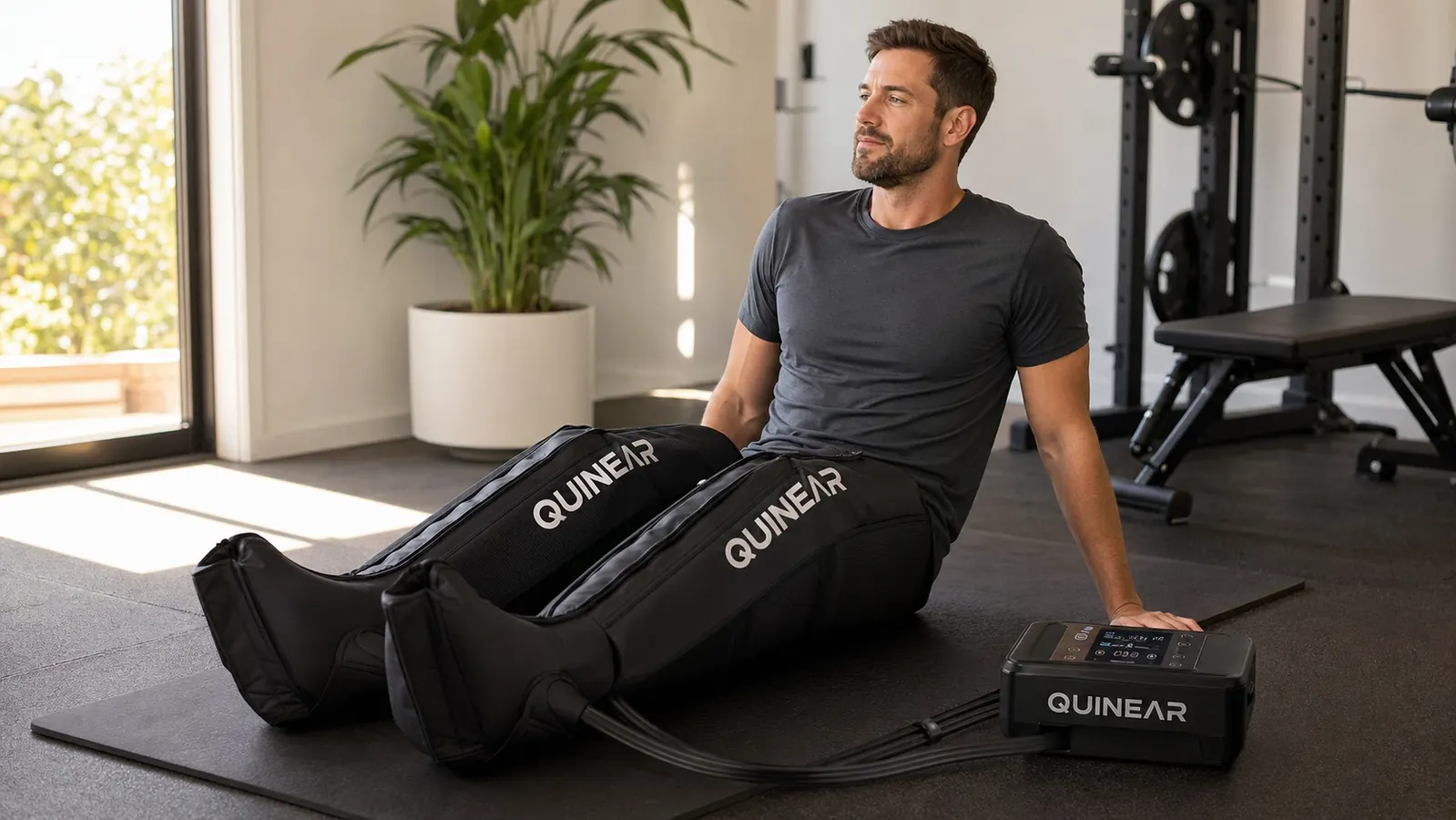
Step 3: Run a Full 20-Minute Session, Then Decide If You Need a Second Round
Twenty minutes is the minimum effective session length for meaningful fluid clearance with sequential compression. Going shorter, say 10 minutes because you're in a hurry, leaves the mechanical benefit incomplete. The chamber cycle needs several full passes up the leg to actually move stagnant fluid rather than just creating temporary surface-level pressure. Set a timer, put the boots on, and commit to the full session before you evaluate how you feel.
After your 20-minute session, stand up and take stock. Do your legs feel noticeably lighter? Is the heavy, dense soreness starting to soften? If you just finished a particularly brutal session and the answer is no, or if you're preparing for back-to-back training days, a second 20-minute round is worth adding. Many athletes who train multiple days per week run one session immediately post-workout and a second shorter session, around 15 to 20 minutes, the following morning before their next training day begins. That combination covers the acute window and the residual soreness window and consistently delivers better results than a single long session would.
Twenty minutes of boots on immediately after training beats an hour of boots on at midnight. Timing the session to the acute inflammation window is the single biggest variable most athletes get wrong.
Step 4: Combine Boots With Hydration and Protein in the Same Recovery Window
Compression boots handle the mechanical side of recovery. They move fluid and reduce the buildup of inflammatory byproducts in tired tissue. What they cannot do is provide the raw materials your muscle fibers need to repair. That's where nutrition and hydration come in, and timing them to overlap with your boot session turns a single-modality recovery routine into a genuinely comprehensive one. While the boots are on, drink at least 16 ounces of water. Dehydrated tissue is stiffer, less pliable, and moves fluid less efficiently, which blunts the compression benefit.
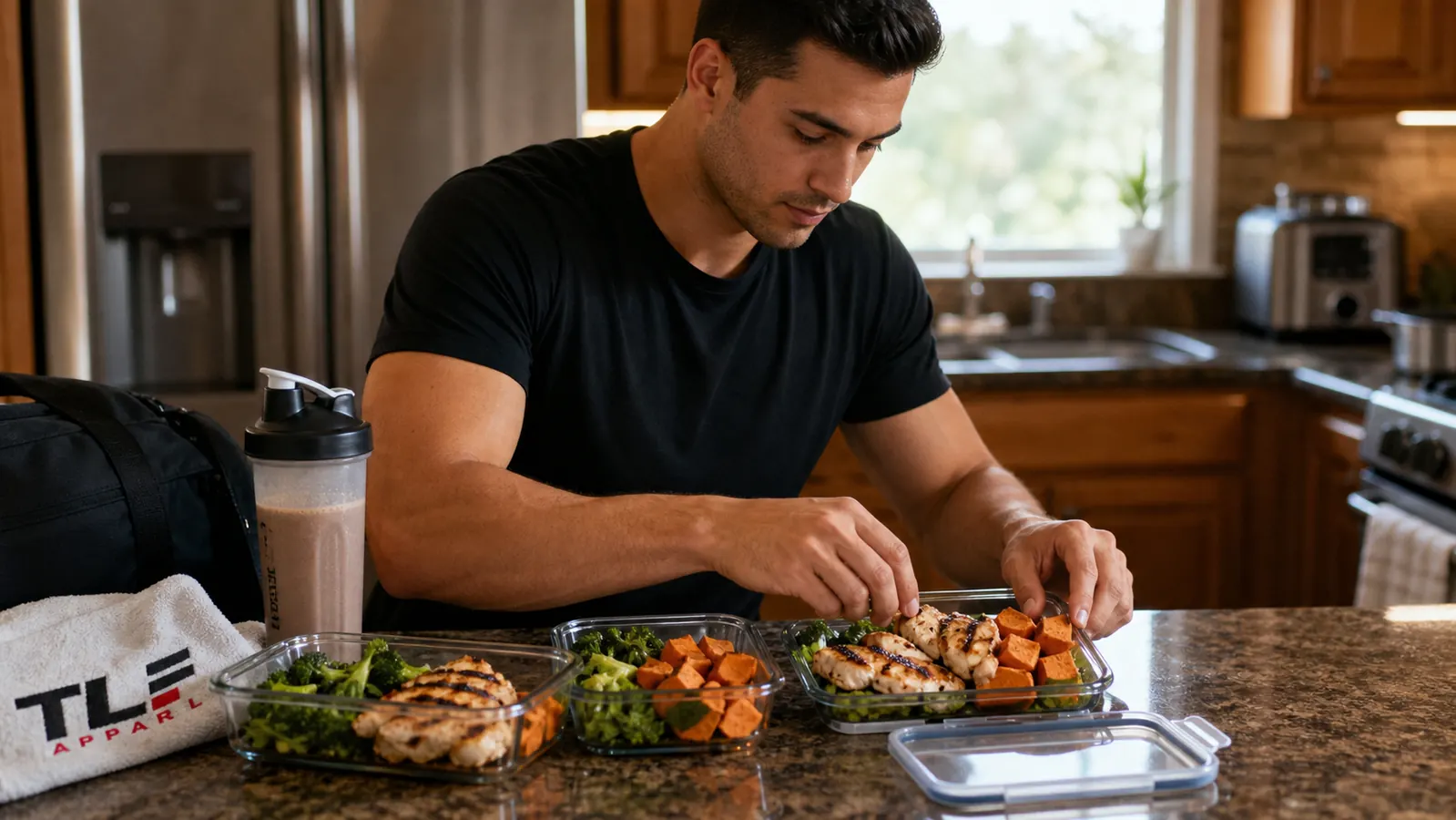
At the same time, have a protein source within the session window. The boots do not require you to be sitting still doing nothing, so a protein shake, a chicken sandwich, cottage cheese, or Greek yogurt consumed during your 20-minute session means you are hitting your post-workout nutrition window and your recovery modality at the same time. For athletes training twice a day or on back-to-back days, this overlap between mechanical recovery and nutritional recovery is less optional. The athletes who skip either one consistently find that soreness accumulates session over session rather than resetting between them.
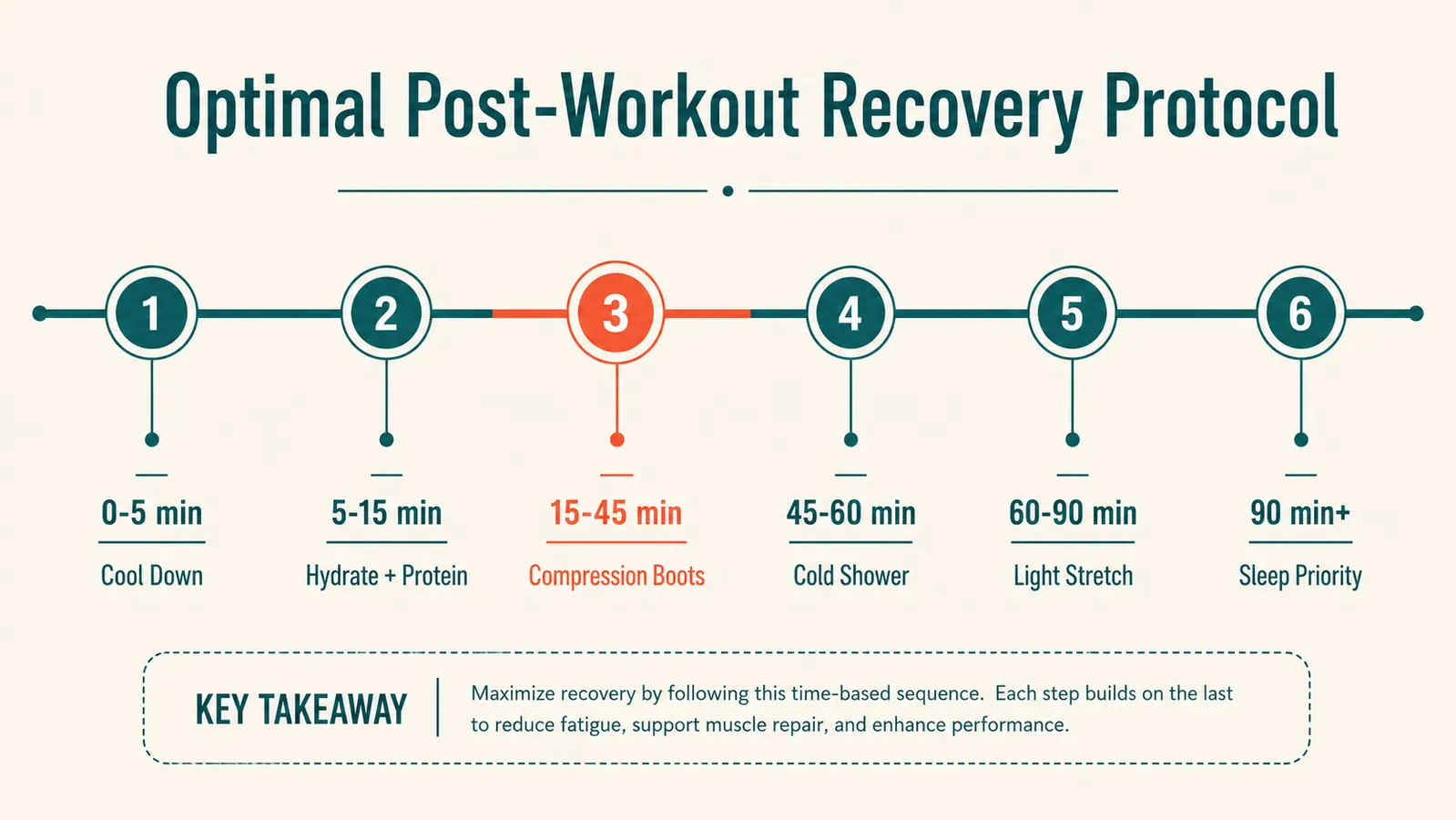
Step 5: Build a Morning Maintenance Session Before Your Next Hard Training Day
The post-workout session on day one handles the acute phase. The morning session before your next training day handles the residual. This second session does not need to be long: 15 to 20 minutes at a low to moderate pressure level is enough to flush any remaining soreness and prime the legs before you ask them to work hard again. Think of it as the difference between showing up to your next session with legs that still feel like they belong to someone else versus legs that feel genuinely ready to move.
Athletes who add this pre-session maintenance protocol consistently report that their warm-up feels faster, their first working sets feel better, and they are not fighting through accumulated fatigue for the first 20 minutes of every workout. For runners, cyclists, and team sport athletes who train on consecutive days, this morning session is arguably more valuable than the post-workout session the night before. Set the QUINEAR to a comfortable light pressure, run a full cycle while you eat breakfast or review your training plan for the day, and then head out the door. Your legs will notice the difference.
What Else Helps: Stacking Compression With Your Existing Recovery Tools
Compression boots work well on their own, and they work even better when they are part of a layered recovery routine rather than the only thing you do. If you already have a foam roller or a percussion massager in your recovery stack, the order of operations matters. Rolling or using a massage gun before your compression session, not after, prepares the tissue by breaking up surface-level tightness and increasing local blood flow. Then the compression session works on already-loosened tissue, which makes the fluid-clearance mechanism more effective. Doing it in reverse order, boots first and then rolling, is not harmful, but you lose some of the synergistic benefit.
Sleep is the one recovery input that compression boots cannot replace or compensate for. A 20-minute boot session on six hours of sleep will underperform relative to no boots at all on eight hours of sleep. If you are serious about training frequency and recovery quality, sleep quantity is the first thing to protect before adding any gear. That said, athletes who are already sleeping well and are still limited by leg soreness between sessions tend to see the clearest and most consistent benefit from adding the QUINEAR to their routine. It fills a specific gap that sleep, nutrition, and mobility work alone cannot fully address: the mechanical clearance of post-workout fluid buildup in the legs.
For context on why compression boots specifically help with that fluid clearance, the detailed breakdown is in our piece on 10 reasons compression boots help serious athletes train more. And if you want a full review of the QUINEAR system before committing, including what we found after three months of consistent use, that is in our QUINEAR compression boots long-term review.
Ready to stop losing training days to soreness? The protocol works. The boots make it possible.
The QUINEAR Leg Recovery Compression System is the professional sequential compression tool this protocol is built around. Nearly 2,000 athletes have reviewed it on Amazon with a 4.5-star average. If you train hard and want to come back faster, check today's price and see if it fits your budget.
Amazon Check Today's Price on Amazon →