

My name is Marcus Webb. I have been coaching CrossFit in Denver for eleven years, and for about six of those years I trained hard alongside my athletes every single day. Two-a-days some weeks. Olympic lifting in the morning, conditioning at noon, skill work in the evening. I loved it. My legs absolutely did not.
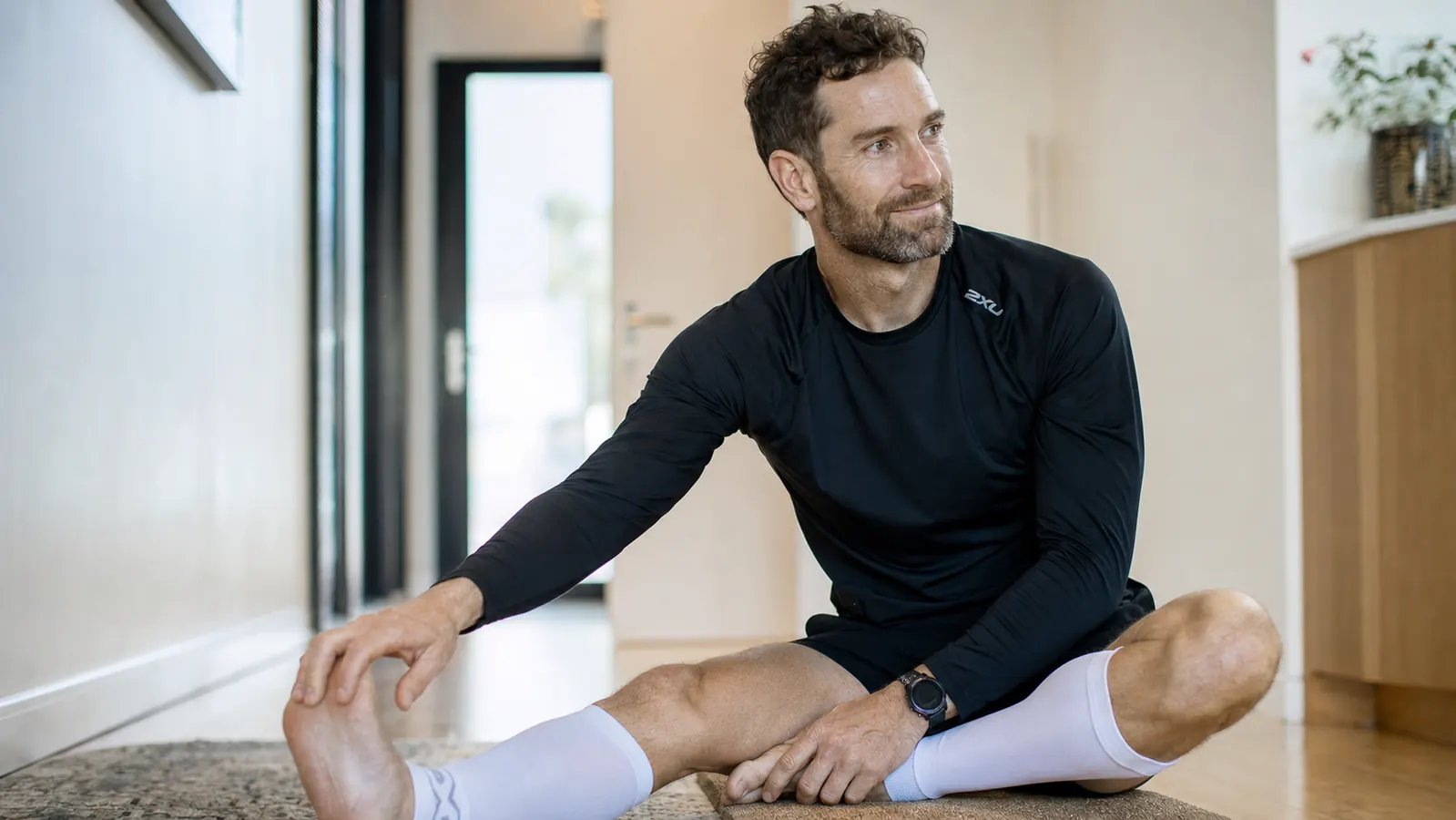
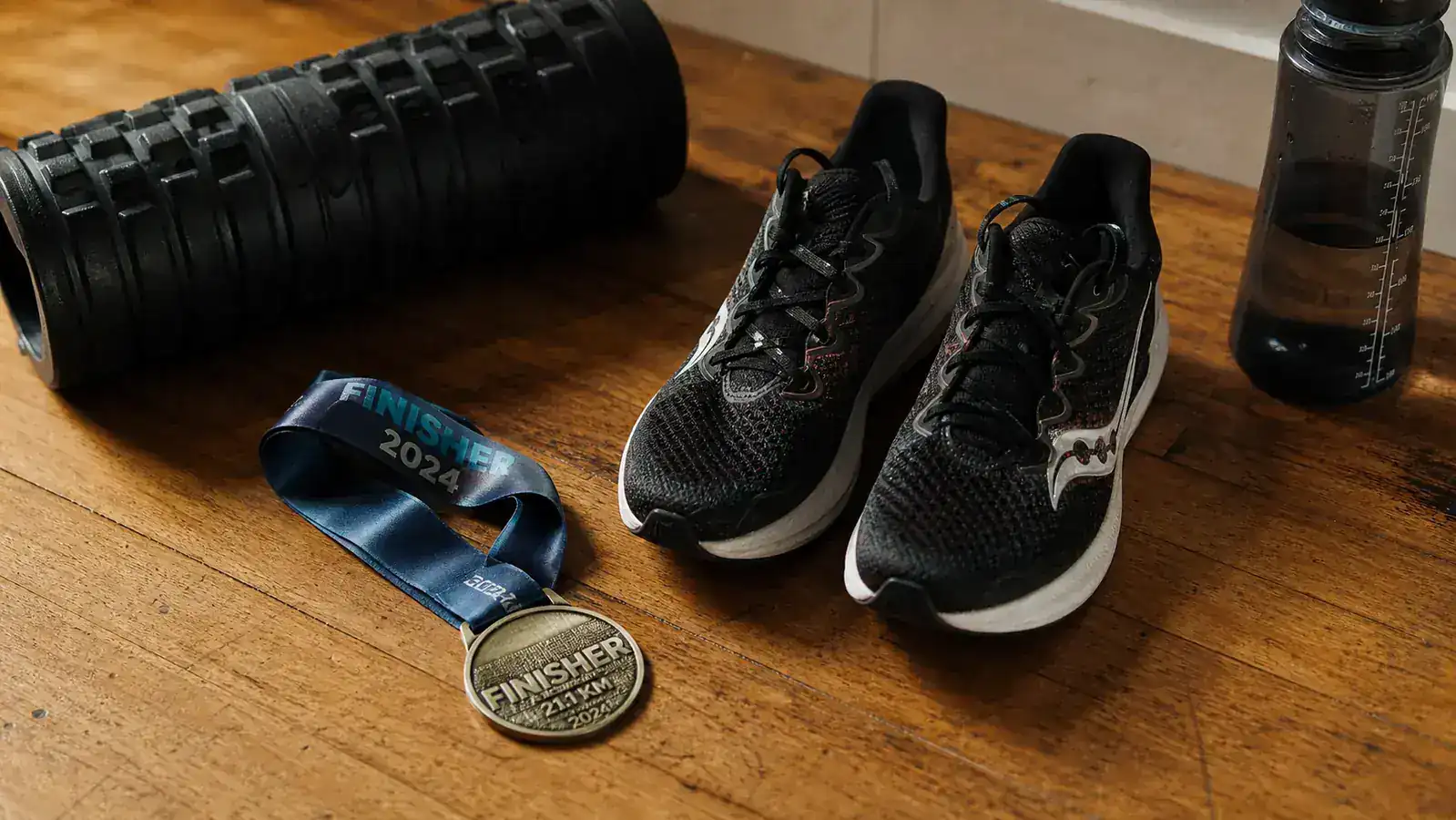
By Tuesday of most weeks, my calves looked like overstuffed sausages. Not painful, exactly, just heavy and swollen in a way that made Tuesday's squats feel like Thursday's. I kept a foam roller beside my coaching chair and used it between every class. I wore compression socks to bed. I elevated my legs against the wall before sleep. None of it was making a real dent in the accumulated drag I felt by midweek.
I knew about pneumatic compression boots. I had seen them at a physical therapy clinic I visited for a rotator cuff thing a few years back. The PT had an NormaTec unit that cost around two thousand dollars, and I remember thinking: that's not for people like me. That's for professional cyclists and pro-team trainers. I filed it away and went back to my foam roller.
What changed was a conversation with a friend who coaches at a collegiate swim program. She mentioned the QUINEAR compression boots. Said the swim team had been using them and that a few of her distance swimmers were recovering between twice-daily practices in a way they hadn't before. I pushed back a little. I asked whether it was the boots or just the rest time. She said, honestly, try them for two weeks and then tell me it's the rest time.
By Wednesday morning my legs felt like Monday legs. That had never happened before. I checked my training log to make sure I hadn't accidentally gone lighter.
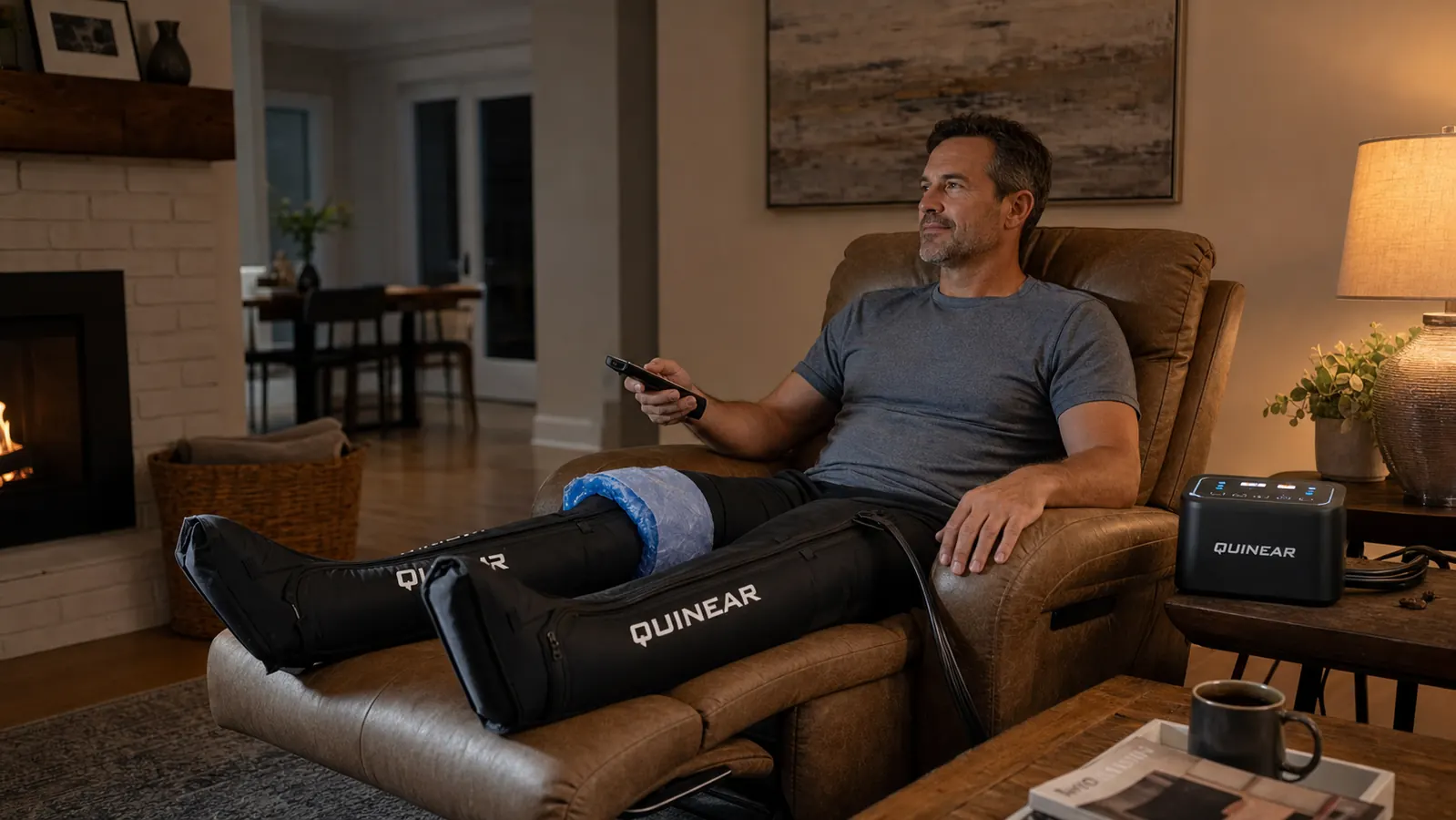
I ordered the QUINEAR system that night. The box showed up three days later, bigger than I expected, with boot chambers that zip up each leg from the foot to the hip, a compact control unit, and all the hoses. Setup took maybe fifteen minutes the first time. I ran a twenty-minute session that evening after coaching four back-to-back classes, sitting in my living room chair watching film.
The sensation is hard to describe if you haven't felt it. The boots inflate in segments, starting at the feet and moving upward in a slow wave, squeezing, releasing, then repeating. Nothing sharp. Nothing uncomfortable. More like a strong, deliberate massage working from your toes toward your hips. I fell asleep in the chair during the second session that week. My wife took a photo and texted it to me the next morning.
Your legs are dragging because standard recovery tools were not built for your training volume.
The QUINEAR Leg Recovery Compression System uses sequential pneumatic compression, the same method used in professional sports medicine clinics, at a fraction of clinic prices. Over 1,900 athletes have reviewed it on Amazon. Check today's price below.
Amazon Check Today's Price on Amazon →After five days of nightly sessions, something measurable happened. Wednesday morning I felt fresh in a way I had not felt on a Wednesday in years. I ran through our warm-up with the athletes and my legs responded the way Monday legs usually do. I checked my training log to make sure I hadn't accidentally lightened my volume. I hadn't. The only variable was the boots.
I want to be honest about what the QUINEAR did and did not do. It did not make me feel like I had rested for a week. It did not erase the deep muscle soreness from a heavy deadlift day. What it did was noticeably reduce the swelling and heaviness I had accepted as a fixed tax on training hard. My legs felt lighter by morning. The kind of lighter that makes you actually want to train instead of negotiating with yourself about how to scale.
There are things worth knowing before you buy. The boots are sized by leg length and I had to check the chart before ordering. The control unit gives you six pressure levels and I settled on level four for most sessions. Level six is intense. Some people like it. I use it only on the roughest recovery days. The hoses are a little fiddly to connect the first time, but after the first week I could set the whole thing up in under two minutes.
The price point is real. At current pricing this is not an impulse purchase. I spent a few days thinking about it and then did the math a different way: what is one more good training day per week worth to me over a year? For someone who coaches and trains for a living, the answer came back clearly in favor of buying. Your math may be different.
What I'd Tell You If We Were Sitting at My Kitchen Table
Here is the honest version. If you train two or three times a week at moderate intensity, you probably do not need this. Rest, sleep, and a basic foam roller routine will serve you fine. If you are training five or six days a week, coaching or playing at a high volume, doing two-a-days, or stacking hard efforts back to back and feeling the accumulated weight of that in your legs by midweek, this is the product I would tell you to seriously consider.
I have not replaced my foam roller. I still use compression socks on long travel days. But the QUINEAR boots have become the anchor of my nightly routine on any day I train hard. Twenty minutes in the chair, control unit on level four, and I am ready for tomorrow in a way that took two days before. That is worth something real to me. It might be worth something real to you too.
If back-to-back training days are leaving your legs heavy by midweek, the QUINEAR system is worth a serious look.
Sequential pneumatic compression, six adjustable pressure levels, and boots sized to fit from foot to hip. Used by serious athletes from CrossFit to collegiate swimming. See current pricing and delivery on Amazon.
Amazon Check Today's Price on Amazon →