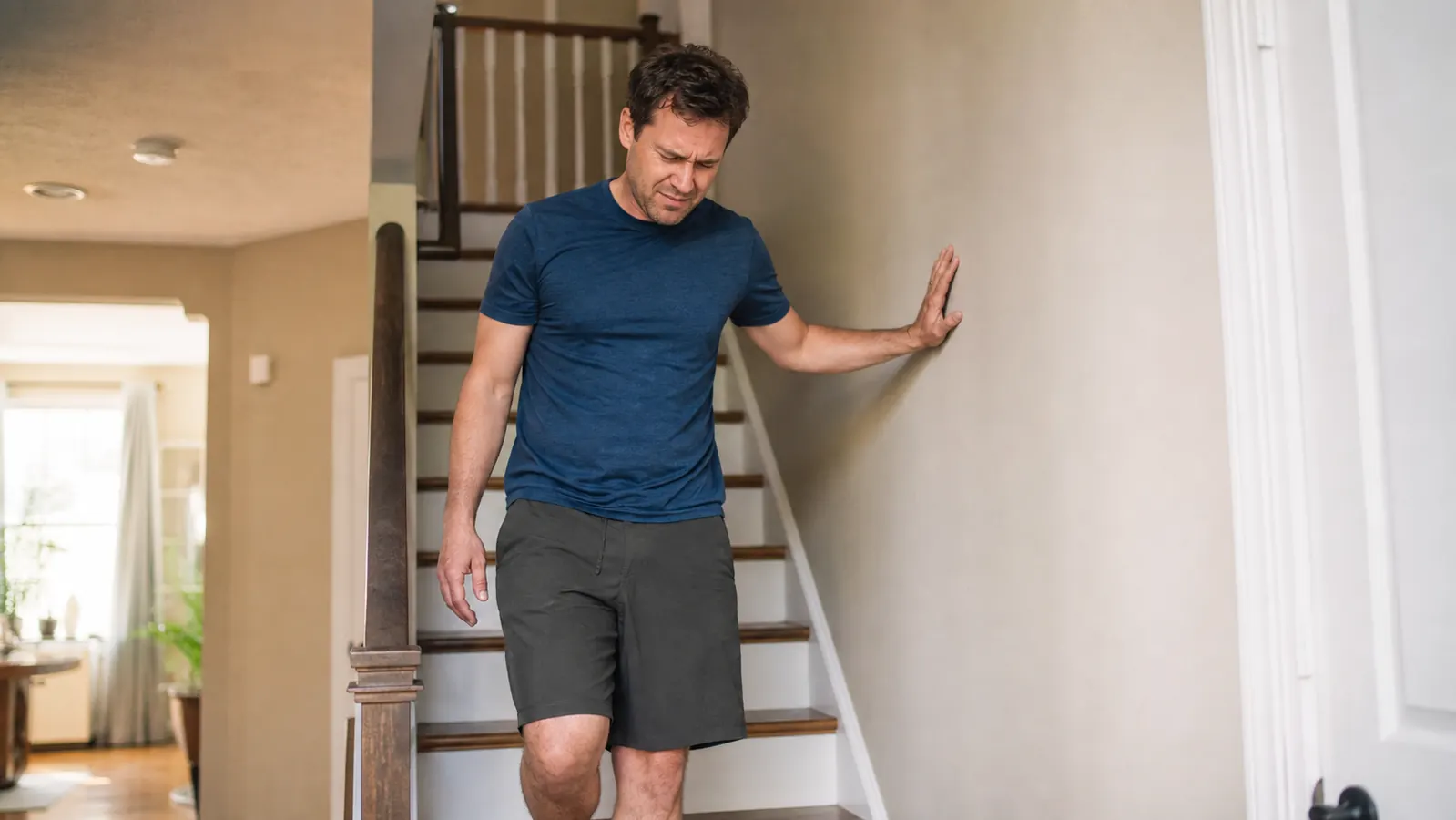
For about three years, I ran a half marathon every single month. Not for a medal wall. Not for some streak account on Instagram. I did it because the training made me feel sharp all week, and crossing a finish line on a Sunday morning was the closest thing I had to a reset button. Then February of last year hit, and by Monday I could barely walk down a flight of stairs without gripping the railing. My quads were done. My calves were done. And by Tuesday the ache had climbed up into my hips. I told myself it was just a harder effort than usual. I said that in March too. And April. What finally changed things was not another stretch routine or supplement. It was a massage gun, and I want to tell you exactly how that happened.
By May I was starting to dread Sunday races because of what Monday felt like. That is a bad place to be. You know you should push through, but the cost keeps going up and the joy starts going down. I tried magnesium baths. I tried more sleep. I tried stretching longer before bed until my partner started asking why I was still on the floor at midnight. None of it changed the Monday-morning situation in any meaningful way. I was 34 years old, I was not injured in any clinical sense, and I was seriously considering dropping down to 10Ks just so I could function the next day at work.
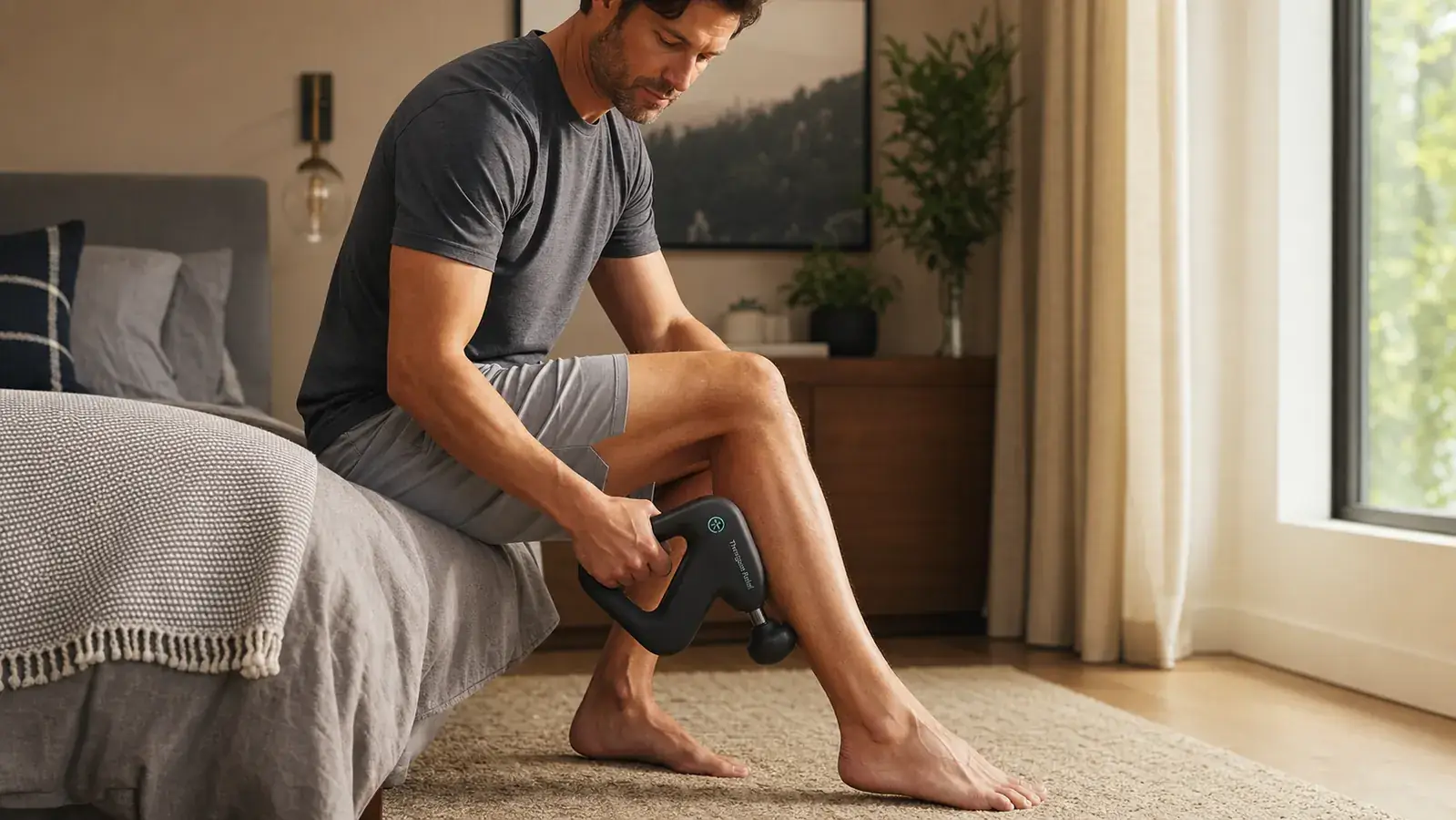
A friend who coaches a local running club mentioned she had started using a Therabody massage gun after long runs. I had seen those things at the gym, usually in the corner, looking expensive and intimidating. She told me she had the Theragun Relief specifically, because it was quieter than the others she had tried, compact enough to toss in a bag, and she could actually use it on her legs without feeling like she was operating a jackhammer. I went home and looked it up. 4.6 stars and over 2,400 reviews. I ordered the Therabody unit that night, mostly because I was out of other ideas.
The first time I used the Theragun Relief was about 90 minutes after I finished a training run that Thursday. I sat on the couch and worked it up and down my quads for maybe four minutes a side, then hit my calves. The sensation is hard to describe if you have never used one. It is not painful. It is pressure moving in a rhythm that your muscles seem to recognize and respond to. By the time I went to bed that night my legs felt noticeably less tight than they normally would. I wrote it off as coincidence. Then I did it again Friday. And Saturday. And the Sunday race.
Monday morning I woke up, swung my feet off the bed, and walked to the kitchen without thinking about it. That had not happened after a half in months.
Still dreading the day after your long runs? The Theragun Relief is what I use now.
Therabody's entry-level percussion gun is quiet, light, and genuinely does the job. Over 2,400 runners and lifters agree. Check the current price on Amazon before it changes.
Amazon Check Today's Price on Amazon →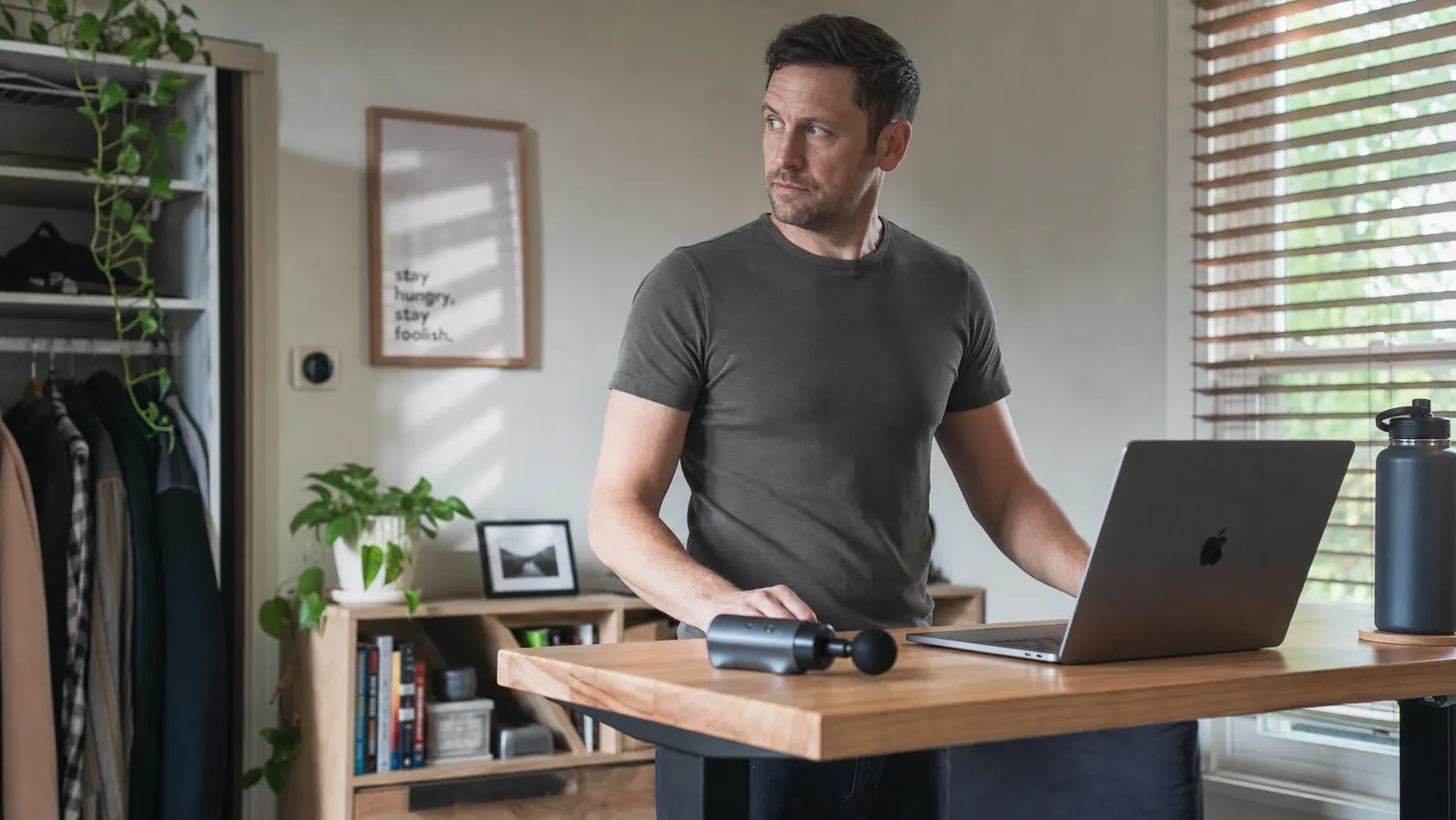
I kept the habit going through June and July. Ten minutes after a hard run, ten minutes before bed on training days. The Theragun Relief has two speeds, which I appreciated because some nights my legs just wanted the lighter setting. Therabody, the company that makes it, clearly tuned this model for everyday people rather than physical therapists, and that suited me fine. It charges via USB-C, which sounds like a small thing until you realize you no longer have a dedicated charger to lose. Battery life is solid enough that I would go a week of nightly use before I needed to plug it in. And it is genuinely quiet. I have used it while my partner was asleep in the same room without anyone complaining. That cleared a practical hurdle I had not even anticipated.
By August I ran my half, came home, did my routine, and went to a barbecue the next day. Stood around for four hours. Zero drama. My legs felt like legs, not like punishment. It is strange to describe how significant that feels until you have spent months accepting soreness as the default cost of doing something you love. The Theragun Relief did not make me faster. It did not change my training plan. It just meant my body was ready to go again sooner, and Monday stopped being something I associated with hobbling to the coffee maker.
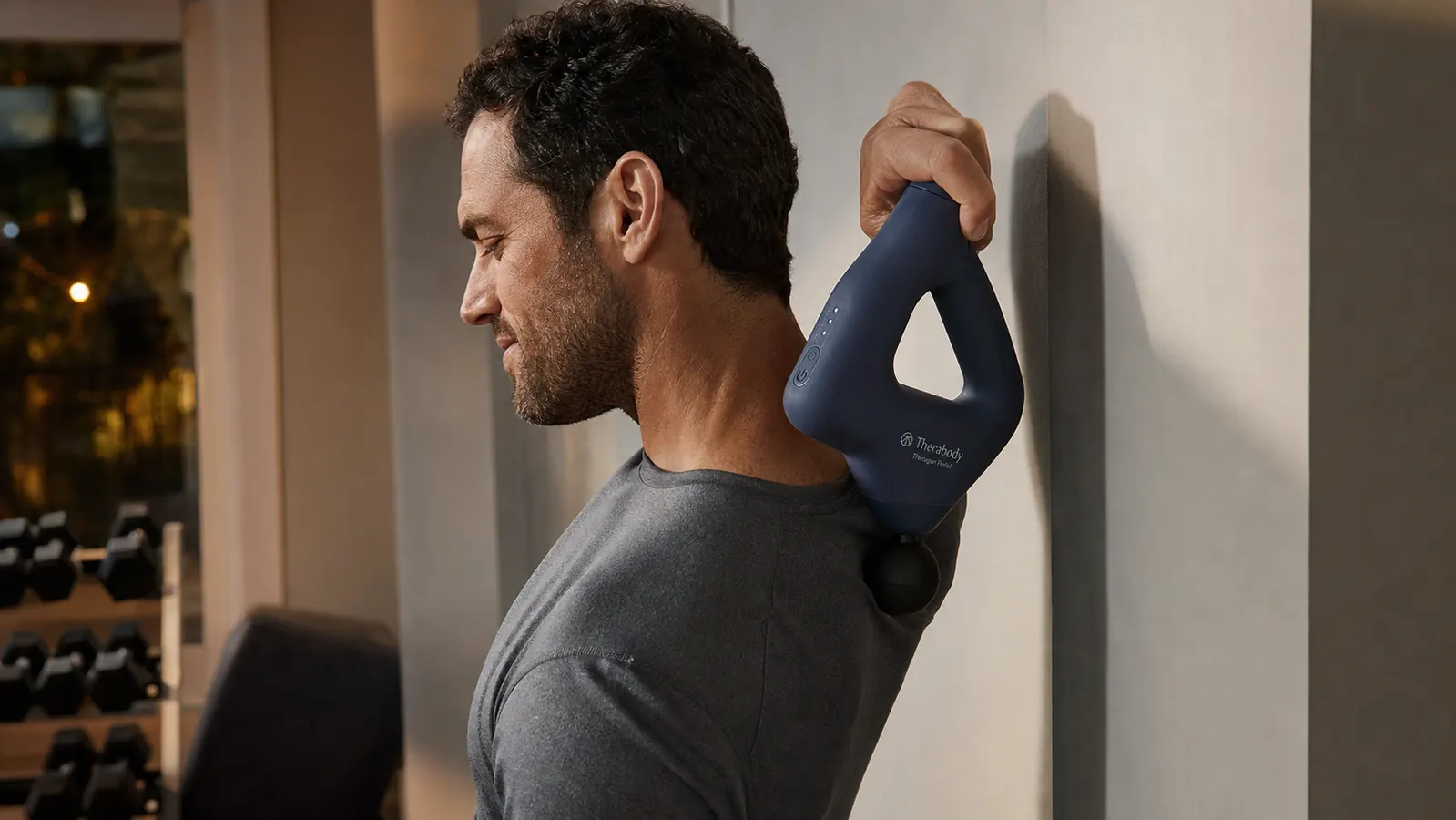
I will be straight with you: there was a learning curve on technique. The first couple of sessions I held it in one spot too long and got a weird buzzing feeling that was more annoying than helpful. The key is to keep moving it slowly across the muscle belly rather than parking it on one spot. Once I figured that out, the results got more consistent. The attachment heads are simple: there is a standard ball for large muscle groups and a flatter one for broader coverage. I have never reached for anything else, which keeps the whole thing uncomplicated.
If you want a deeper breakdown of the specs and how it compares week by week, the long-term review on this site covers four months of daily use in detail. And if you are curious about why percussion therapy works at all from a physiological standpoint, the piece on why massage guns speed up recovery is worth reading first.
What I Would Tell You If We Were Sitting at My Kitchen Table
Here is the real talk: I was skeptical that a handheld device was going to change something that Epsom salts and extra sleep could not. And honestly, if you are only a little sore, maybe it does not matter. But if you are at the point where post-workout soreness is starting to chip away at the thing you actually love doing, this is worth trying before you start cutting back your training. The Theragun Relief is not the cheapest thing you will buy this year, but it costs less than one sports massage session and it lives on your nightstand instead of a calendar slot three weeks out. I still run halfs every month. Monday mornings are just mornings again.
If soreness is making you rethink training days you used to love, start here.
The Theragun Relief is what I reach for after every hard run. Quiet, simple, and backed by over 2,400 reviews from people who actually train. See the current price on Amazon.
Amazon Check Today's Price on Amazon →