
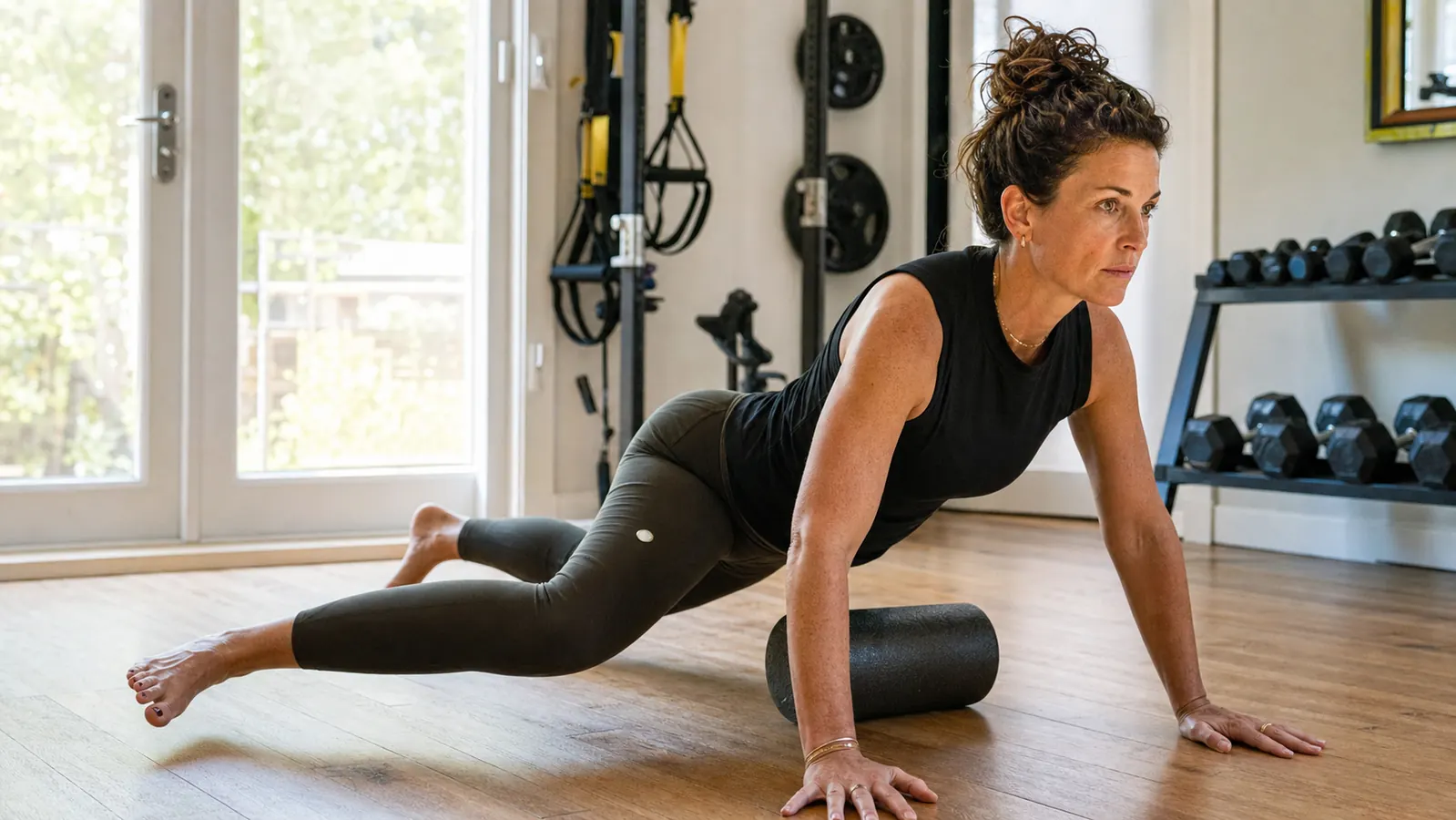
Six months ago we added the TriggerPoint GRID 2.0 to our daily recovery routine after a bad stretch of IT band tightness that had been slowing down our Wednesday runs for weeks. We had used a basic 36-inch black foam cylinder from a sporting goods clearance bin for two years before that, and we figured the step up to the GRID was either going to be obviously worth it or obviously marketing.
After 180-plus sessions rolling everything from post-squat quads to stiff thoracic spines to tight calves the morning after a long run, we have a clear answer. The short version: the GRID 2.0 is genuinely better than a plain foam roller, but not because of magic. It is better because of how the surface is built, and that distinction matters most if you have been rolling for a while and feel like you have plateaued on a basic roller.
The Quick Verdict
The GRID 2.0's three-zone surface delivers noticeably more targeted pressure than a flat roller, and it has not softened or deformed after six months of daily use. The price is steep compared to budget options, but the durability and feedback quality justify it for anyone who rolls consistently.
Amazon Check Today's Price →Your foam roller from the clearance bin is letting you down every morning. Here's a better option.
The TriggerPoint GRID 2.0 has 4,820 Amazon ratings averaging 4.6 stars. We tested it daily for six months and it still performs like the first week. Check today's price before you roll on that flat cylinder one more time.
Amazon Check Today's Price on Amazon →How We Tested It
Our test setup: two people rolling daily, one a 34-year-old male marathon runner putting in 40 to 50 miles per week, one a 29-year-old female who lifts four days a week and added a running component six months ago. Both had used plain foam rollers before and knew the basics of positioning. We used the GRID 2.0 as the only roller in both routines for the entire six-month stretch, not alternating it with other tools.
We tracked perceived muscle tightness before and after each session on a simple 1-to-10 scale, logged which muscle groups felt most improved, and noted any changes to the roller's surface firmness or structural integrity over time. We did not compare it to another roller in a side-by-side protocol because we wanted to assess it on its own terms first, as a long-term daily-use tool.
Session length averaged 12 minutes for the runner (heavy quad, IT band, calf focus) and 9 minutes for the lifter (thoracic spine, glutes, lats). We rolled both before and after training on most days, and exclusively post-training on easy days.

What the Three-Zone Surface Actually Does
The defining feature of the GRID 2.0 is its exterior surface. Rather than a uniform foam tube, TriggerPoint uses a hollow ABS plastic core wrapped in a grid-patterned foam exterior that has three distinct zone textures: flat sections that mimic the broad surface of a palm, raised ridges that replicate the feel of fingers, and hollow channel sections that let tissue fall slightly into the gap rather than just resting on top of the roller.
In practice this means you get meaningfully different sensory feedback depending on where on the roller's circumference your tissue happens to land. Flat sections work well for broad warm-up passes and for areas where you want even pressure, like the upper back or the belly of the calf. The ridge zones are noticeably more intense on dense areas like the lateral quad or the glute medius, in a productive way rather than an uncomfortable one. The channel sections are where it gets genuinely different from a plain roller: tissue that is slightly knotted or more mobile than the surrounding area will follow the path of least resistance and seat itself into the channel, which creates a sustained, specific pressure that you just cannot replicate with a flat surface.
By month two of testing, we had learned where to position ourselves on the roller's circumference intentionally, using the ridge zone for the IT band and the channel zone for the thoracic spine, rather than just landing wherever. That intentionality changed the sessions from passive rolling to something more deliberate, which we think is part of why the tightness scores improved more in months two through five than they did in month one.
By month two we were choosing which zone to target on purpose. The ridged section for the IT band. The channel for the thoracic spine. That shift made rolling feel like a skill, not a floor exercise.
Durability: The Part Nobody Talks About Long Enough
Most foam roller reviews cover the first week. We are here to tell you what six months of daily use looks like on the GRID 2.0, because durability is the real differentiator at this price point.
The short answer: no meaningful compression, no surface deformation, no cracking of the grid exterior. The plastic core has not flexed or creaked under load. The runner in our test weighs 168 pounds and has applied sustained body weight to the IT band position, which concentrates load over a small surface area, hundreds of times. The roller looks and performs like it did in month one. For comparison, the plain foam cylinder we replaced had developed a visible flat spot and reduced firmness on the side we used most by the end of its first year, even though we used it far less consistently.
The hollow core construction is the reason for this. A solid foam roller compresses from the outside in with every session, and there is no recovery mechanism once the foam deforms. The GRID 2.0's rigid plastic core means the exterior foam is only working as a thin surface layer rather than bearing the full structural load. The trade-off is that the roller is lighter than it looks but cannot float in a pool, which is a trade we will take.
Performance by Muscle Group Over Six Months
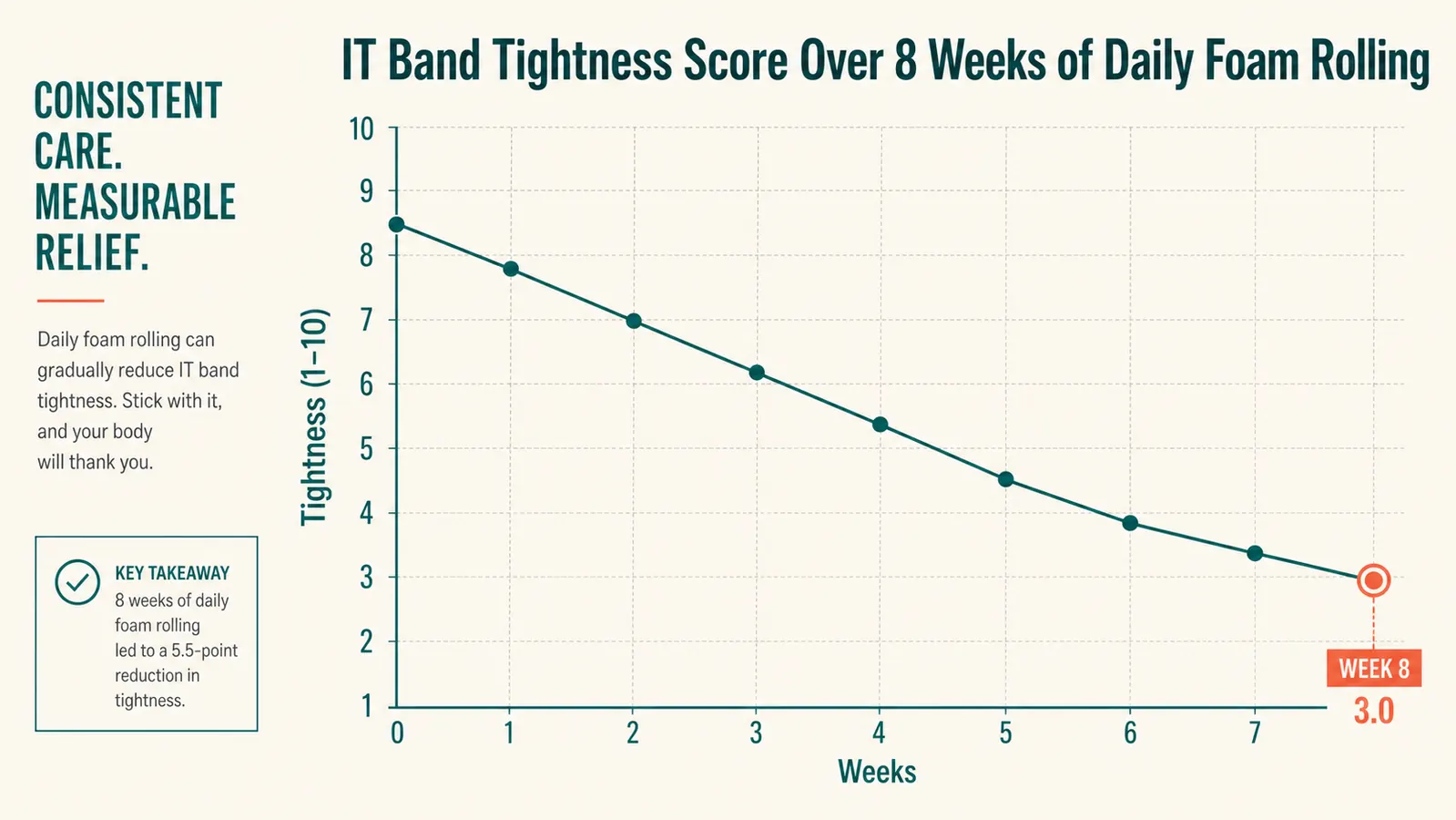
Quads and IT band were the standout performers for the runner. Perceived tightness before sessions averaged 7.2 out of 10 at the start of month one and landed at 3.4 by month five. We attribute some of that to cumulative adaptation in the tissue itself, but the specificity of the ridge zone on the lateral quad contributed to a more thorough release than we were getting from flat-roller passes.
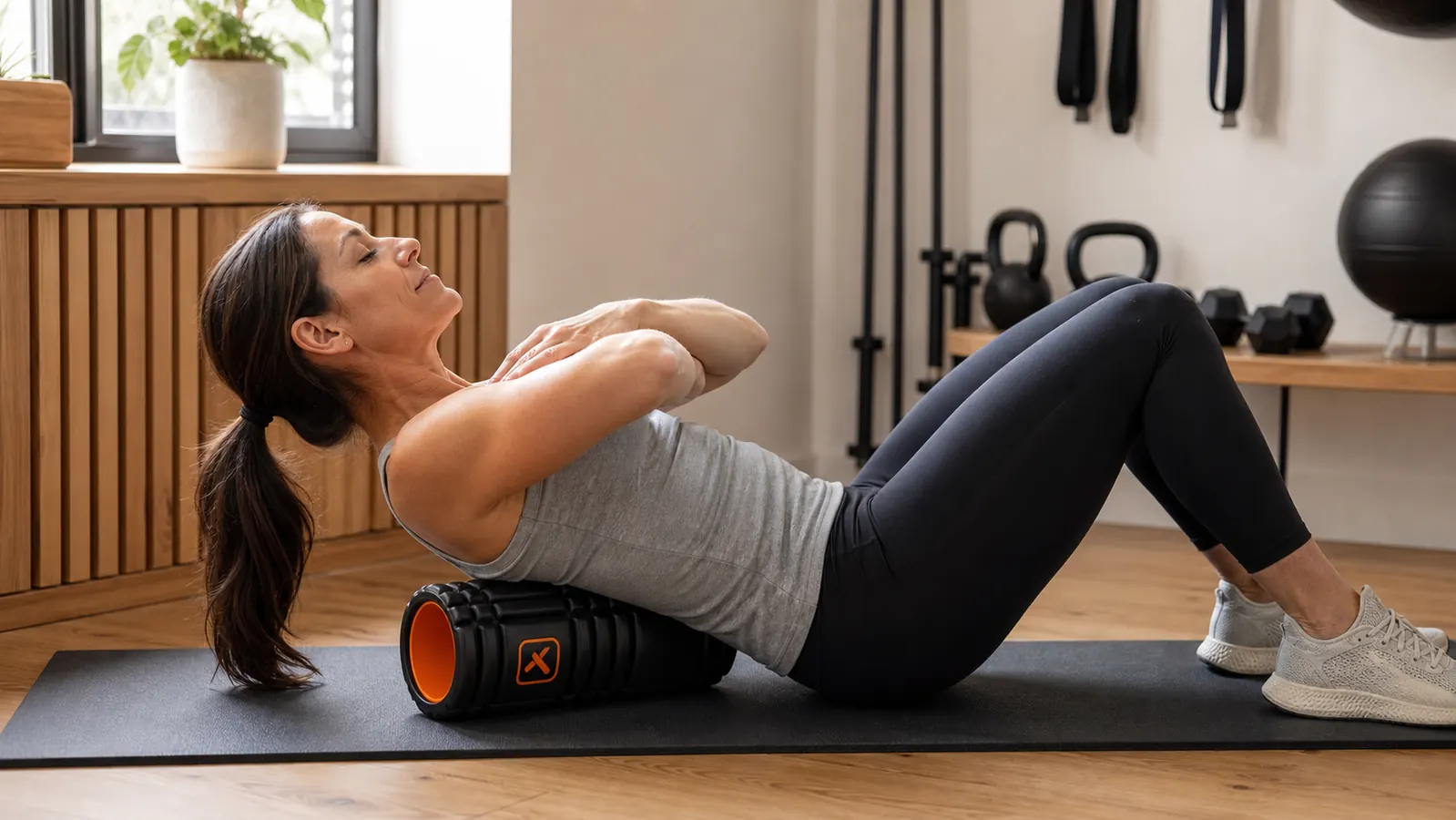
Thoracic spine was the strongest area for the lifter. Four days of upper-body pressing had created a chronic stiffness pattern in the mid-back that flat rollers seemed to roll over without fully addressing. The channel zone on the GRID allowed the erectors to fall slightly into the gap on either side of the spine, creating a more direct stretch at the vertebral joints. This showed up as a large jump in post-session mobility within the first three weeks.
Calves and peroneals were the areas where the GRID felt most similar to a standard roller, which makes sense because those smaller muscles do not benefit as much from zone variation. The calf is already a small target and any firm surface creates adequate pressure. If calves are your main rolling target, the GRID still works fine, but you will not feel the same step-change difference that you feel on larger muscle groups.
What We Did Not Love
The 13-inch length is the main practical limitation. For rolling the full length of the IT band in one pass, or for thoracic spine work where you want to cover a wide swath quickly, the standard 13-inch GRID requires more repositioning than a 24-inch or 36-inch roller would. TriggerPoint does make a longer version, but the standard GRID 2.0 available at the common price point is the shorter tube. If you travel and want a roller that packs into a bag, this is actually an advantage. If you train at home and want maximum coverage per pass, consider going up in length.
The price is a real barrier. At roughly five times what a basic foam cylinder costs, this is a discretionary purchase for a lot of people. We think the durability math works out in favor of the GRID over a two to three year horizon given that cheaper rollers flatten out and lose effectiveness, but that only matters if you actually roll consistently. If you are just getting started with foam rolling, a cheaper roller is a fine way to build the habit before committing to a premium tool. See our breakdown of why foam rolling deserves a permanent place in your routine if you are still weighing whether to start at all.
We also noticed that the grid texture can occasionally catch on athletic shorts that have a looser weave, creating a minor friction snag rather than a smooth roll. It is not a dealbreaker, but rolling in tighter-fitting shorts or directly on skin eliminates it entirely. Worth knowing before your first session.
What We Liked
- Three-zone surface creates noticeably more specific pressure than a flat roller, particularly on IT bands, quads, and thoracic spine
- Hollow core construction resists deformation over time, our unit showed zero compression after 180-plus daily sessions
- 13-inch size is genuinely portable and fits in most gym bags and checked luggage
- Firm but not punishingly stiff, approachable for intermediate rollers who find hard PVC rollers too intense
- 4,820 Amazon ratings at 4.6 stars reflects consistent real-world satisfaction across a wide user base
- TriggerPoint includes instructional content with purchase that actually teaches technique, not just anatomy
Where It Falls Short
- 13-inch length requires more repositioning than longer rollers for full IT band and thoracic spine coverage
- Price is significantly higher than basic foam rollers and hard to justify for beginners who are not yet rolling consistently
- Looser-weave athletic shorts can snag slightly on the grid texture during rolling passes
- The firm surface can feel intense for first-time rollers or people with high muscle sensitivity, requires a short break-in period
How It Compares to What We Had Before
Our previous roller was a 36-inch plain black EVA foam cylinder that cost a fraction of the GRID 2.0. The honest comparison: the plain roller was fine for the first year. It covered more area per pass due to its length, and for broad warm-up rolling it worked well enough. The problems showed up over time: it deformed and lost firmness, it provided uniform pressure that could not distinguish between a belly of muscle and a knotted area of fascia, and it gave us no feedback about what we were actually doing.
The GRID 2.0 is a more active experience. You feel the zones working differently under different tissue densities. You develop a sense of which areas need ridge pressure versus channel pressure. That tactile feedback loop turned rolling from a passive stretching routine into something we both look forward to because it feels like it is actually doing something specific. If you want a full breakdown of how a roller compares to point-specific tools like lacrosse balls, we have a separate piece on GRID foam roller versus lacrosse ball for tight muscles that goes into detail.

Who This Is For
The TriggerPoint GRID 2.0 is built for someone who is already rolling consistently and wants better results from the same time investment. If you foam roll three or more times per week, feel like you have hit a ceiling on a basic roller, and are willing to spend for a tool that will outlast several cheap alternatives, this is a clear upgrade. It is also a strong pick for runners and lifters who deal with chronic IT band tightness, thoracic stiffness, or quad density because those are the specific areas where the zone surface outperforms flat foam by the widest margin.
Who Should Skip It
If you are new to foam rolling and not sure you will stick with it, start with a plain roller and build the habit first. The GRID 2.0's benefits are only accessible to someone who knows how to position themselves and has the body awareness to use the zone variation intentionally. A beginner will not get five times the value from a five-times-the-price roller. Similarly, if portability is not a factor and you prefer rolling for long passes down a full leg in one motion, a longer 24-inch or 36-inch option will serve you better regardless of surface texture.
Six months later, we still grab the GRID every single morning. That says more than any rating.
The TriggerPoint GRID 2.0 holds up better than any roller we have owned, and the three-zone surface still delivers targeted feedback that a flat roller cannot match. If you are ready to stop guessing at your knots and actually feel what you are rolling, check today's price on Amazon.
Amazon Check Today's Price on Amazon →