
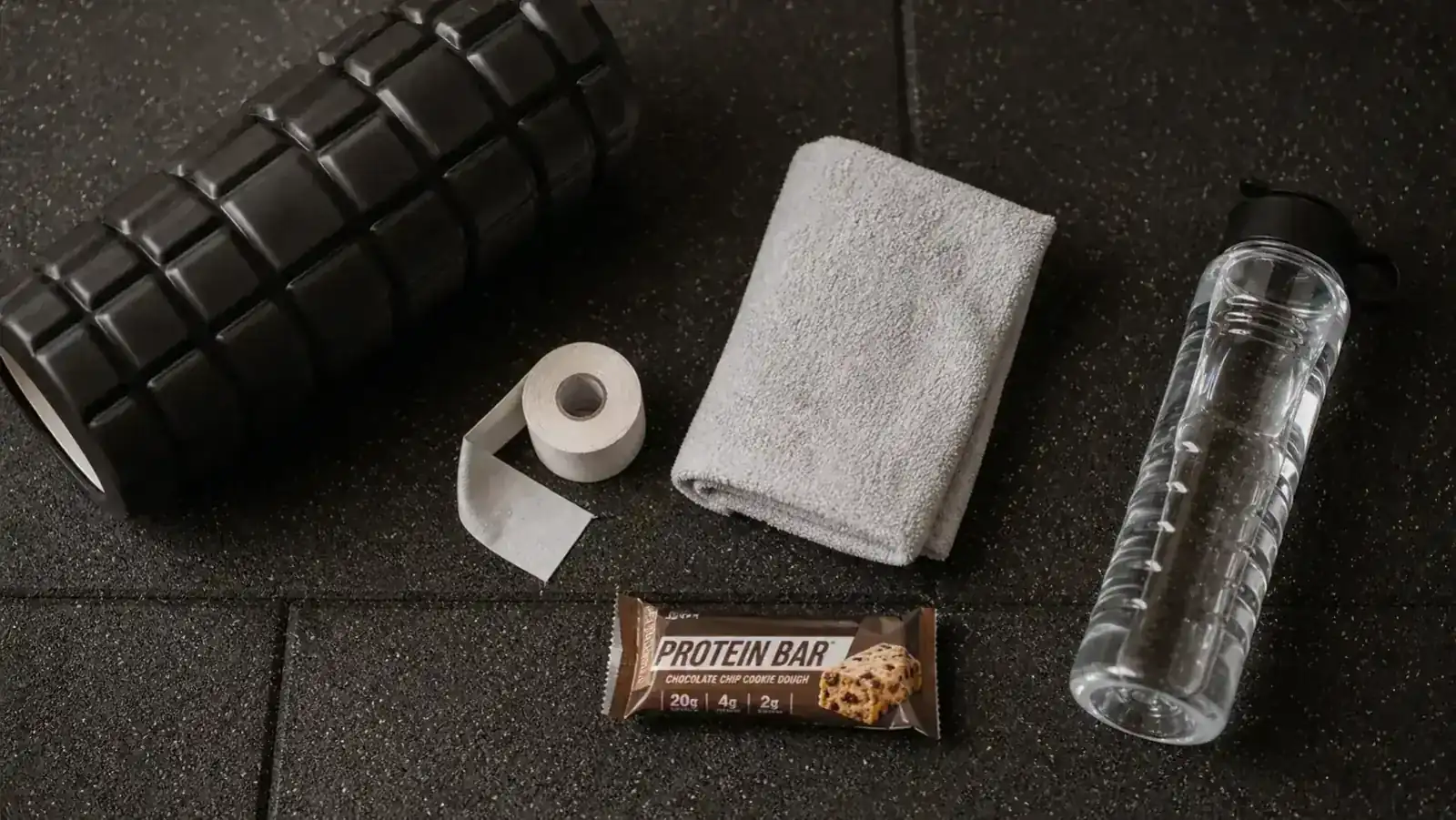
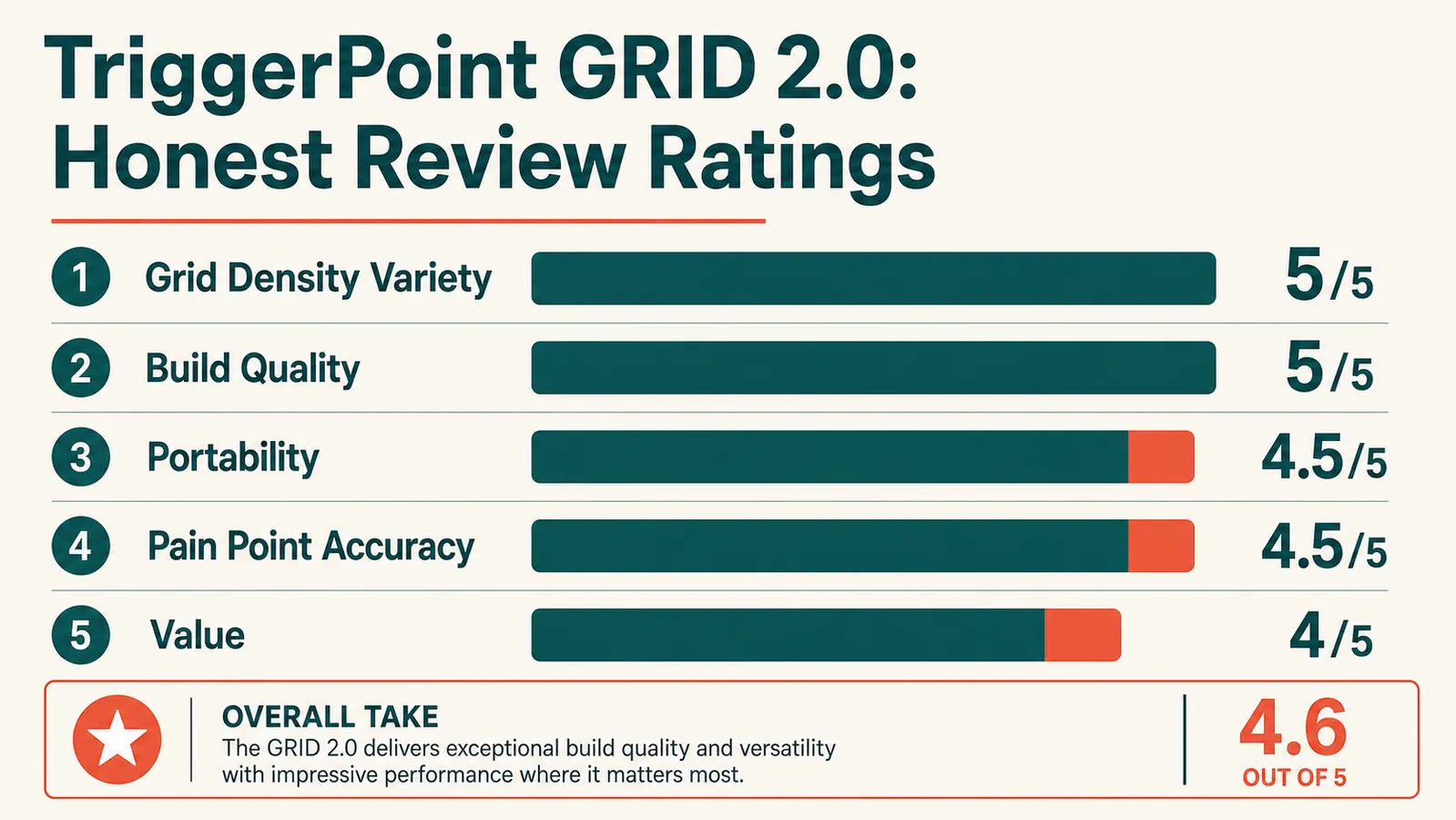
We want to be upfront about something: the TriggerPoint GRID 2.0 has nearly 5,000 Amazon reviews averaging 4.6 stars, and the fitness community treats it like a given. Personal trainers hand out that recommendation before they even ask what your budget is. We became curious whether the reputation is earned or inherited, so we set out to test it honestly, including testing it against athletes who had never used a structured foam roller before and against people who had spent years rolling on cheap EVA cylinders.
The short answer: it earns most of the praise. But there are real caveats the glowing reviews skip over, and we think those caveats will determine whether this roller is right for you specifically. Here is what we found after real use across multiple training styles and body types.
The Quick Verdict
The GRID 2.0 outperforms cheap foam rollers in durability and targeted pressure, but the firmness is genuinely uncomfortable for beginners and the hollow core raises long-term durability questions at this price point.
Amazon Check Today's Price →If your current roller flattens out or slides around, the GRID 2.0 fixes both problems immediately.
TriggerPoint GRID 2.0 Foam Roller, 4.6 stars, 4,820+ reviews. Check today's price on Amazon before it changes.
Amazon Check Today's Price on Amazon →How We Tested It
We put the TriggerPoint GRID 2.0 through use across four testers over several weeks: a recreational runner who logs 25-35 miles per week, a lifter who trains five days a week with heavy lower body emphasis, a yoga instructor who already has good tissue quality and flexibility, and a 52-year-old weekend cyclist with chronic quad tightness. The goal was to see whether the roller's reputation holds across different body compositions, fitness levels, and rolling experience.
We also put it side by side with a standard smooth EVA roller and a basic AmazonBasics grid roller that costs roughly one-fifth the price. The testers did not know which roller was which during the first week of use. We wanted their unfiltered reactions to the feel, not their expectations shaped by the brand name.
What we were evaluating: surface feel and targeted pressure, stability during use, durability over repeated sessions, ease of use for different body parts, and whether the multi-density grid pattern actually does something the cheaper grids do not.
The Multi-Density Surface: Real Difference or Marketing Story?
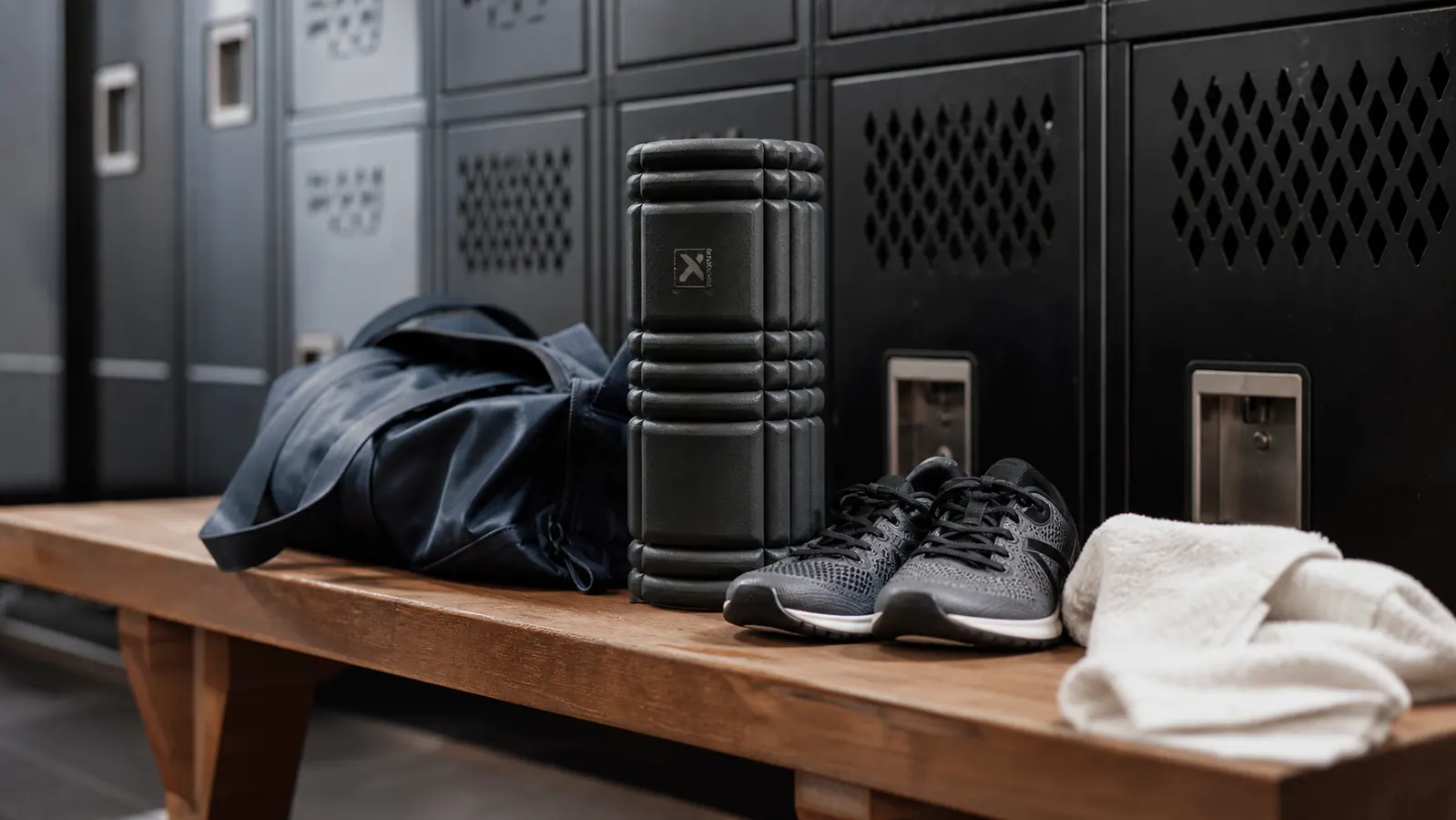
The GRID 2.0's defining feature is a surface divided into three distinct zones: a flat, firm channel that acts like a foam pad, a wider raised ridge that mimics fingers applying pressure, and a narrower raised ridge that approximates a thumb. TriggerPoint calls this a multi-density design. The idea is that as you roll across these zones, you get something closer to what a hands-on massage might feel like, with varying pressure and surface contact as the tissue moves across different textures.
In practice, the difference is real and noticeable, but not in the way the marketing suggests. What the multi-density surface actually does is change the pressure distribution across the roller's contact area. The raised ridges concentrate pressure on a smaller surface, which increases the felt intensity without you pressing harder into the floor. For dense muscle groups like the quads or upper back, this works well. You can modulate the effective pressure just by rotating your body position relative to the ridges, which gives you some control that a smooth roller simply does not offer.
Where the story gets complicated is with beginner users and smaller muscle groups. Our runner with tight calves found the transition from a smooth roller jarring. The ridges concentrated pressure in spots that felt sharp rather than productive, particularly in the first two sessions. Our yoga instructor, whose tissue is well-conditioned, found the surface pleasant from day one. The lesson here is that the multi-density surface is not universally better. It is better for experienced rollers and people with dense, worked muscle. It is a more aggressive experience for people new to foam rolling.
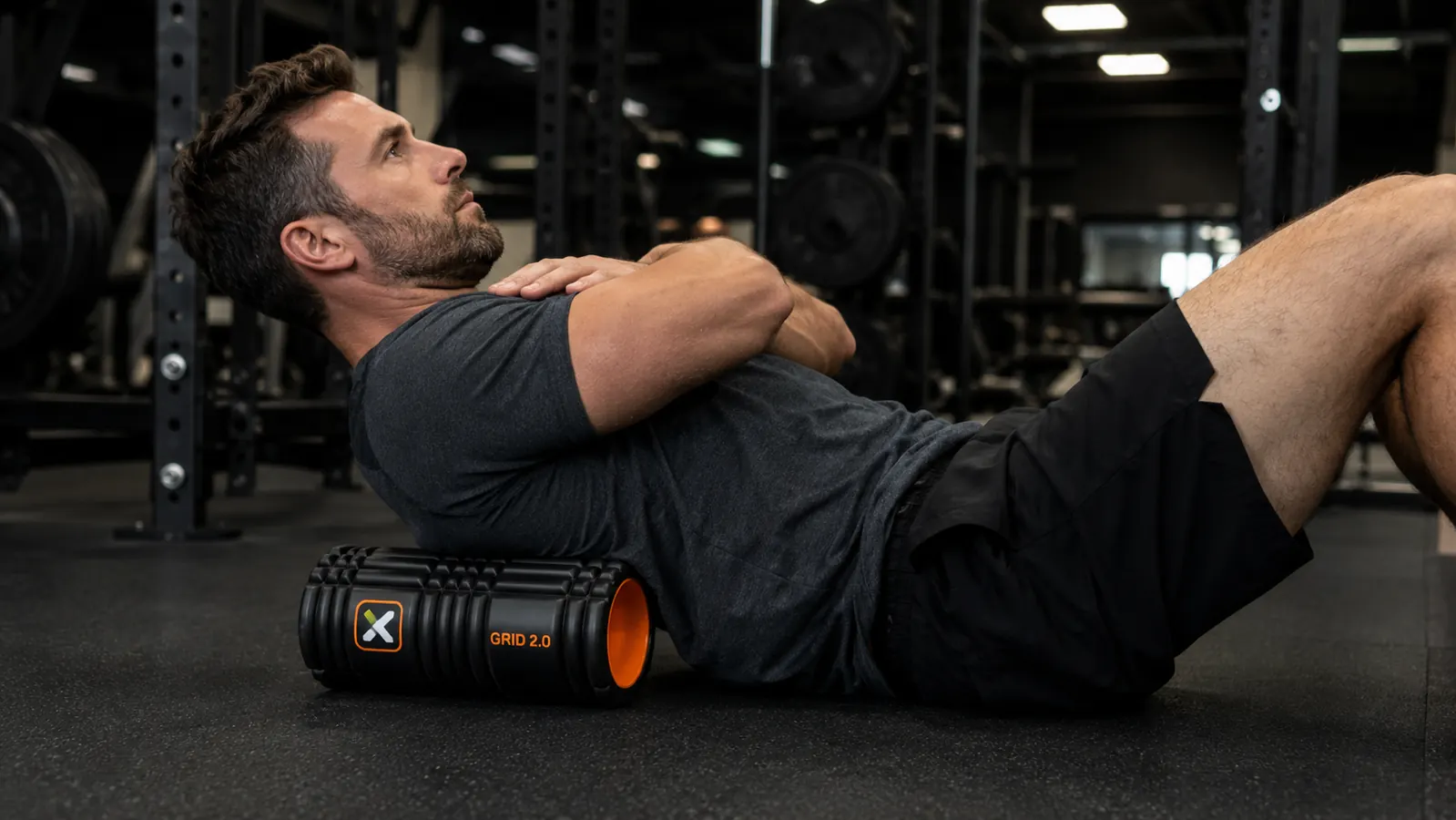
Firmness: The Thing Nobody Tells Beginners
This is the part most Amazon reviews gloss over, and we think it is the most important thing to communicate honestly. The GRID 2.0 is firm. Not "firm for a foam roller" firm. Genuinely firm in a way that will cause some users to bail on foam rolling altogether if this is their first roller.
The hollow core design contributes to this. Unlike solid EVA rollers, the GRID wraps a firm foam surface around a rigid, hollow tube. That tube does not flex or give under body weight, which means all the compliance you feel is from the foam surface layer only, and that layer is intentionally dense. For someone with tight quads after heavy leg training, this can feel exactly right. For someone who has rarely rolled before and has untreated muscle tension built up over months or years, the first few sessions can be genuinely unpleasant.
Our weekend cyclist, who had not foam rolled consistently in years, found the GRID 2.0 so uncomfortable in the first session that he switched back to the smooth EVA roller for the following three days. He had to work back up to the GRID over about ten days. That is not a failing of the product, but it is real information that the positive review avalanche tends to omit. If you are new to rolling, or coming back after a long break, give yourself a ramp-up window.
The hollow core does not flex under your body weight. Every bit of pressure transfer goes through that firm surface foam, which is great for deep tissue work and unforgiving if your muscles are not used to it.
Size and Portability: A Real Limitation
The GRID 2.0 measures 13 inches long and 5.5 inches in diameter. That is the standard size, and it is a thoughtful choice for most rolling exercises. It is long enough to cover the width of both legs laid flat when rolling the calves, and wide enough to stay stable on the floor.
The limitation shows up in two scenarios. First, upper back rolling. The 13-inch length is shorter than shoulder-width for most adults, which means you cannot lay flat across it to roll the full upper back simultaneously. You have to angle your body or roll one side at a time. A longer roller would solve this, but TriggerPoint's longer variants cost more and are a different product.
Second, travel. At 13 inches, the GRID 2.0 does not fit inside most carry-on bags without significant packing compromise. If you train while traveling frequently, you will leave this at home and reach for a travel-sized alternative. That is fine, but at this price point it is worth knowing the GRID 2.0 is a home or gym roller, not a travel tool. TriggerPoint makes a shorter 6-inch version for this use case, sold separately.
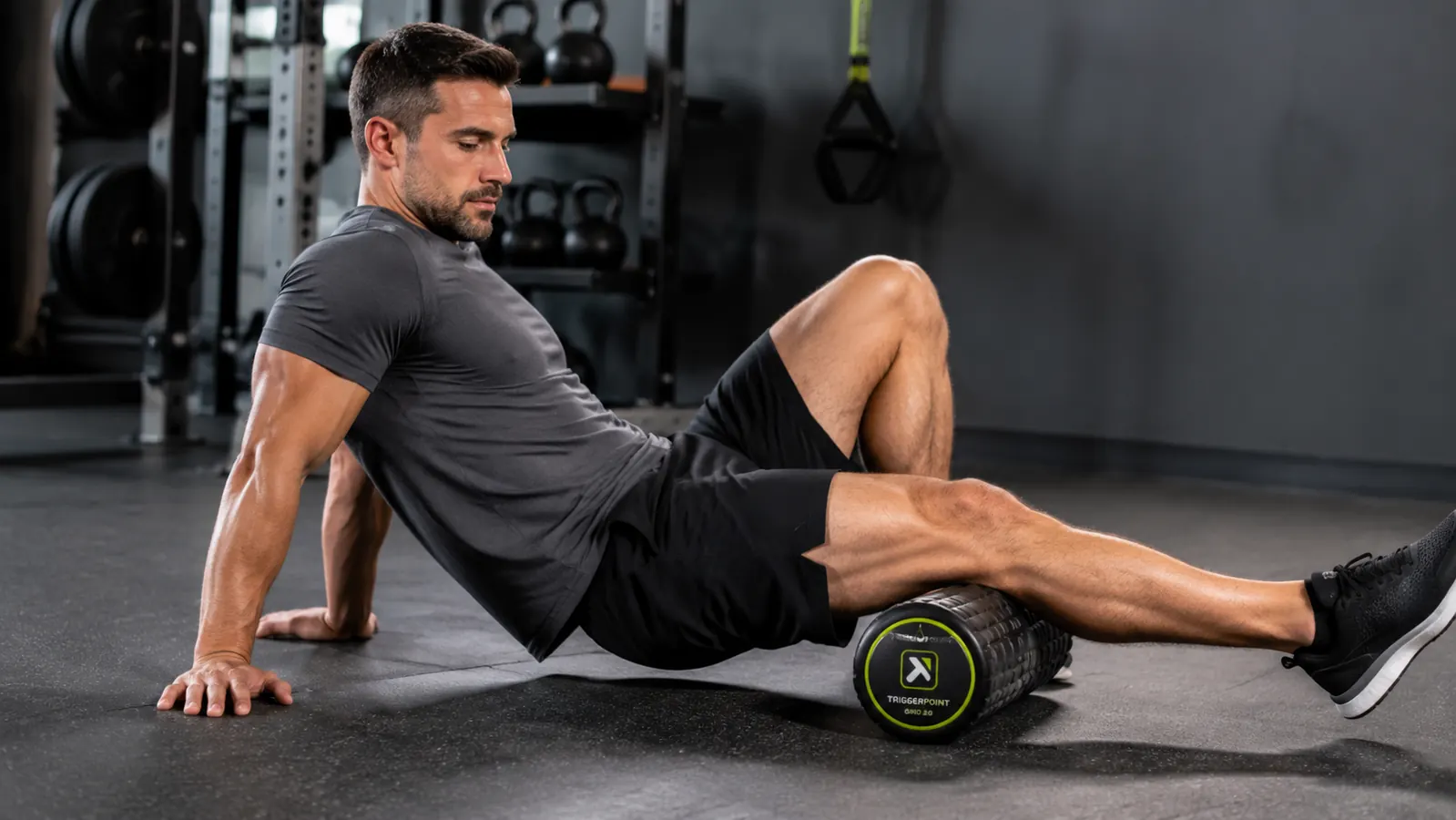
Hollow Core Durability: A Fair Question to Ask
The hollow core is the GRID 2.0's engineering choice that generates the most skepticism, and we think that skepticism is reasonable to take seriously. Most budget foam rollers are solid EVA throughout. That means if they degrade, they degrade slowly, usually by compressing and flattening over time. The hollow core of the GRID 2.0 is a different failure mode: the foam surface layer can potentially separate from the inner tube, or the tube itself can crack under sustained lateral stress.
In our testing window, we did not see any structural degradation. The roller held its shape and the surface layer showed no signs of delamination. TriggerPoint backs this with a one-year limited warranty, which is a reasonable gesture at this price point but shorter than what some premium competitors offer.
The honest position is this: the hollow core makes the roller lighter and allows the firm outer surface to transfer pressure more directly, which is a genuine functional advantage. Whether it holds up over two or three years of daily aggressive use is a question we cannot answer from months of testing. The long-term Amazon reviews suggest most people have no issues, but a meaningful percentage do report surface wear and deformation in the 12-24 month range. For a roller at this price, that is worth factoring in.
How It Compares to Cheaper Options
We tested the GRID 2.0 alongside a basic grid-pattern roller that costs roughly one-fifth as much. The budget roller has a grid-ish surface printed on solid foam. It is lighter to the touch and gives more under body weight.
For our yoga instructor and our runner, the difference between the two was clear and immediate. The budget roller's surface is cosmetic, not functional. The grid pattern does not create meaningfully different pressure zones because the underlying foam is soft enough that it compresses uniformly anyway. You lose the targeted pressure effect entirely.
For our beginner cyclist, the budget roller was more comfortable and he made more consistent progress in those early weeks. That is a real consideration. If you want to build the habit first and upgrade later, starting with a cheaper roller is not a bad call. The GRID 2.0 is a better tool for people who already roll regularly. If you are building the behavior from scratch, the gentler entry point of a soft roller may actually get you more rolling volume, which matters more than the roller's surface design.
If you are comparing the GRID to a lacrosse ball setup, that is a different conversation entirely. We cover that comparison in depth in our TriggerPoint GRID vs Lacrosse Ball breakdown. Short version: the lacrosse ball wins on targeted pressure for small areas, the GRID wins on surface coverage and consistency.
What We Liked
- Multi-density surface genuinely changes pressure distribution, not just surface texture
- Holds its shape and rigidity under heavy body weight, does not flatten over months of use
- Stable and predictable on hardwood, mat, or gym floor surfaces
- Lighter than solid EVA rollers of comparable firmness
- Works across a wide range of muscle groups with good body-position control
- 4,820+ real-world reviews with a track record that goes back years
Where It Falls Short
- Genuinely firm out of the box, beginners often find it punishing in the first week
- At 13 inches, it is too short for full upper-back rolling without adjustment
- Does not fit in carry-on luggage, limiting travel use
- Hollow core introduces a long-term durability question absent with solid EVA rollers
- One-year warranty is shorter than premium competitors in the same price range
- Price premium over budget rollers is harder to justify if you are still building the foam rolling habit
Who This Is For
The GRID 2.0 is the right call if you are already rolling with some consistency and you want a roller that will keep up with an increasingly demanding training schedule. It excels for athletes who train legs heavily and deal with dense quad, hamstring, or IT band tissue. Runners logging more than 15 miles per week will feel the functional difference over a cheap roller, particularly in how well it targets the IT band laterally. If you want to understand the exact protocol for that use case, we have a full walkthrough in our guide on how to foam roll tight IT bands and hip flexors.
It also makes sense if you have already burned through a cheap roller or two and you want something that will not flatten and lose pressure over a training season. The GRID 2.0 holds its firmness. You will not be replacing it every year because it compressed out.
Who Should Skip It
If you have never foam rolled before, or if you are coming back to it after a long break, we would push you toward a softer intermediate roller first and treat the GRID 2.0 as a six-month upgrade. The firmness that makes it effective for conditioned tissue is the same firmness that causes new rollers to abandon the habit entirely after two painful sessions. The habit matters more than the hardware early on.
Skip it also if your rolling sessions focus primarily on the upper back. The 13-inch length creates a real limitation there that longer rollers solve without adding meaningful cost. And if you are a frequent traveler who needs gear that moves with you, the GRID 2.0 stays home. It is a gym or living room tool.
Already rolling consistently and ready for a roller that keeps up? The GRID 2.0 is the upgrade that actually delivers.
TriggerPoint GRID 2.0, 4.6 stars, 4,820+ reviews. Firm, structured surface, built to hold up under heavy use. Check today's price on Amazon.
Amazon Check Today's Price on Amazon →